PetowoPetowo
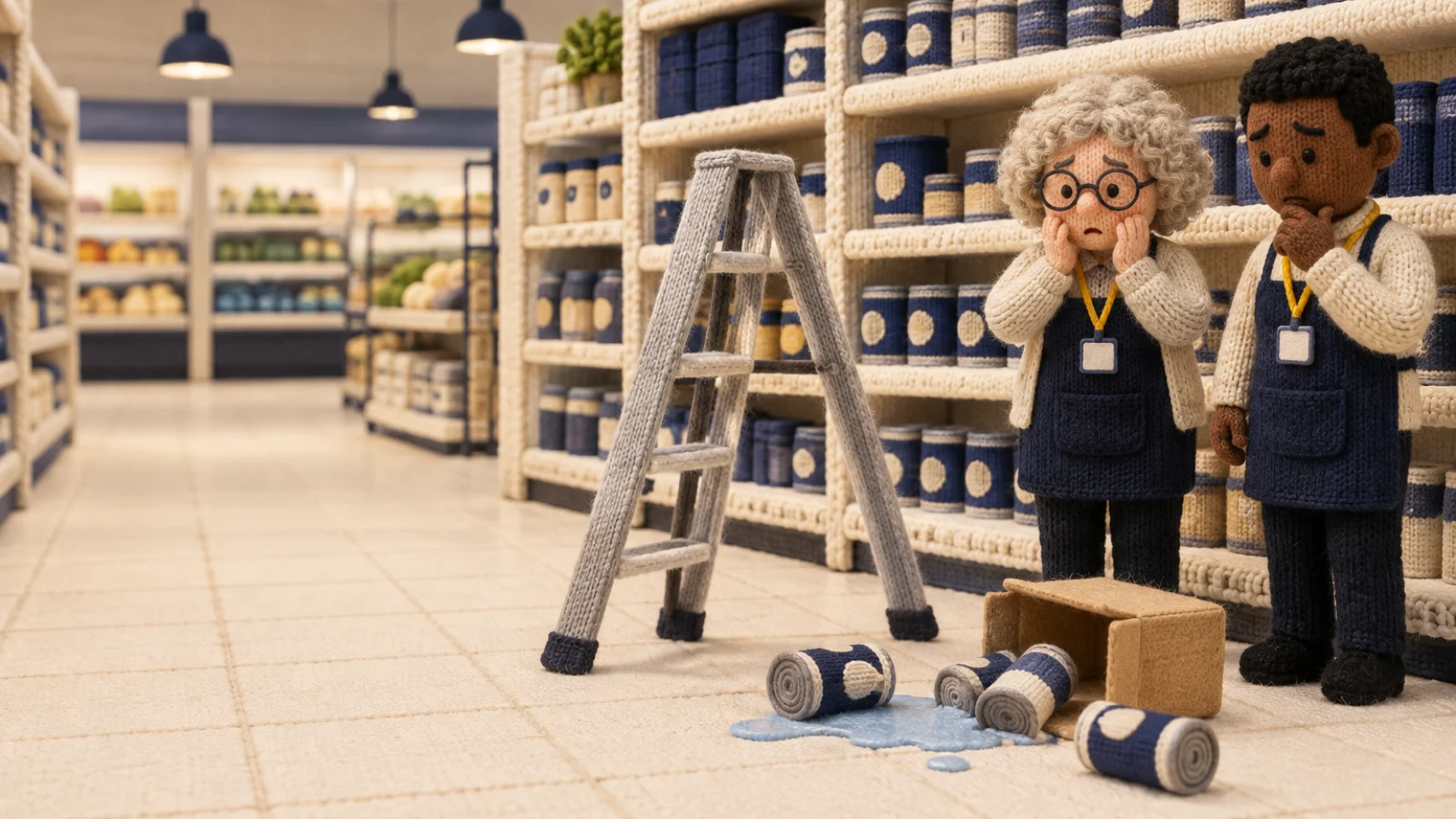
A knitted-wool illustration of a supermarket aisle. A stepladder stands among fallen tins, and a puddle spreads near the tills. Three colleagues in aprons look at it, worried.

Industries / Retail

Spot the slip and the ladder before a customer does.

For stores, distribution and head office. A colleague reports it from the shop floor, and the area manager sees every store.

  • Anyone can report from their phone

  • See which controls are really working

  • Fixes are checked before they're closed

  • Your information stays private to you

The problems you know

Does any of this sound familiar?

  • The small stuff

    We only hear about the ones that became a claim.

    A spill, a stepladder left out, a loose shelf edge. Every store has one a day, and they seldom reach anyone who can change something.

  • Delivery day

    One person, two cages and a ramp.

    The lorry is in and the tug is somewhere else. Everyone knows the cages are heavy, and it still gets done by hand.

  • Hundreds of stores

    I can't see what's happening in store 200.

    Area managers ask for numbers and get a spreadsheet. By the time head office reads it, the shop has moved on.

Every store, seen the same way.

  • The small stuff

    A report that fits between customers

    A colleague reports it from the shop floor in their own words, by typing or by talking. A printed code in the stockroom can open the report with the store already filled in.

    On a phone, the Check and send screen of a near-miss report, scrolling through the parts, each marked You or Suggested by Petey.
    Before it goes, the whole report reads back, each part marked yours or Petey's.
  • Delivery day

    See which controls are holding

    Each report lands on the control it is about, such as the tug on the ramp or the wet-floor signs. Barrier Health shows which hold at each store, beside what the checks said.

    Barrier Health lists each control with its verdict. Pedestrian segregation is in place on every check but did not hold in two events.

    Checks say a control is in place. Events say whether it held.
  • Hundreds of stores

    Every store on one dashboard

    Share one dashboard with your area and regional managers. Each person sees the stores their access allows, without anyone building a special copy.

    A site manager opens Analytics, chooses Shared with me, and opens the Site safety this quarter dashboard with its charts.

    Share a dashboard with a group. Each person sees what their access allows.
  • The small stuff

    The shelf gets fixed, and someone looks

    Raise the job with one owner and one due date. When it is done, someone who neither owns it nor did it checks it, so a fix in one store is seen through.

    The actions list, then one action that is closed only after an independent verification step done by someone other than its owner.

    Closed means checked, by someone who did not do the work.
  • Your words, your sites

    Retail starts from the general set-up. We then set it up in your words: your stores, areas and regions, your departments, your event types and your lists. Set up a store walk once and give it to every store. An update never overwrites what you have changed.

What people ask us

Our store teams change all the time. How do people get on?

Invite them as guests, and guests are free with no limit. They sign in with a six-digit code sent to their email, so there is no password to remember. You decide who is invited, and nobody can sign themselves up.

Can each store manager see only their store?

Yes. A dashboard can be shared widely, and each person's figures are read with their own access. Two people can open the same dashboard and see different stores.

Can we run the same store walk everywhere?

Yes. Build a walk once, or start from a ready-made checklist, and set how often each store does it. Findings become actions with an owner and a date, and someone else checks the work.

Does it deal with customer claims?

Yes. When an incident leads to a third-party or customer claim, the Risk & Insurance (RMIS) module links the claim directly to the incident record, tracking loss reserves, settlements and your Total Cost of Risk (TCOR). Sensitive cases can be marked as confidential.

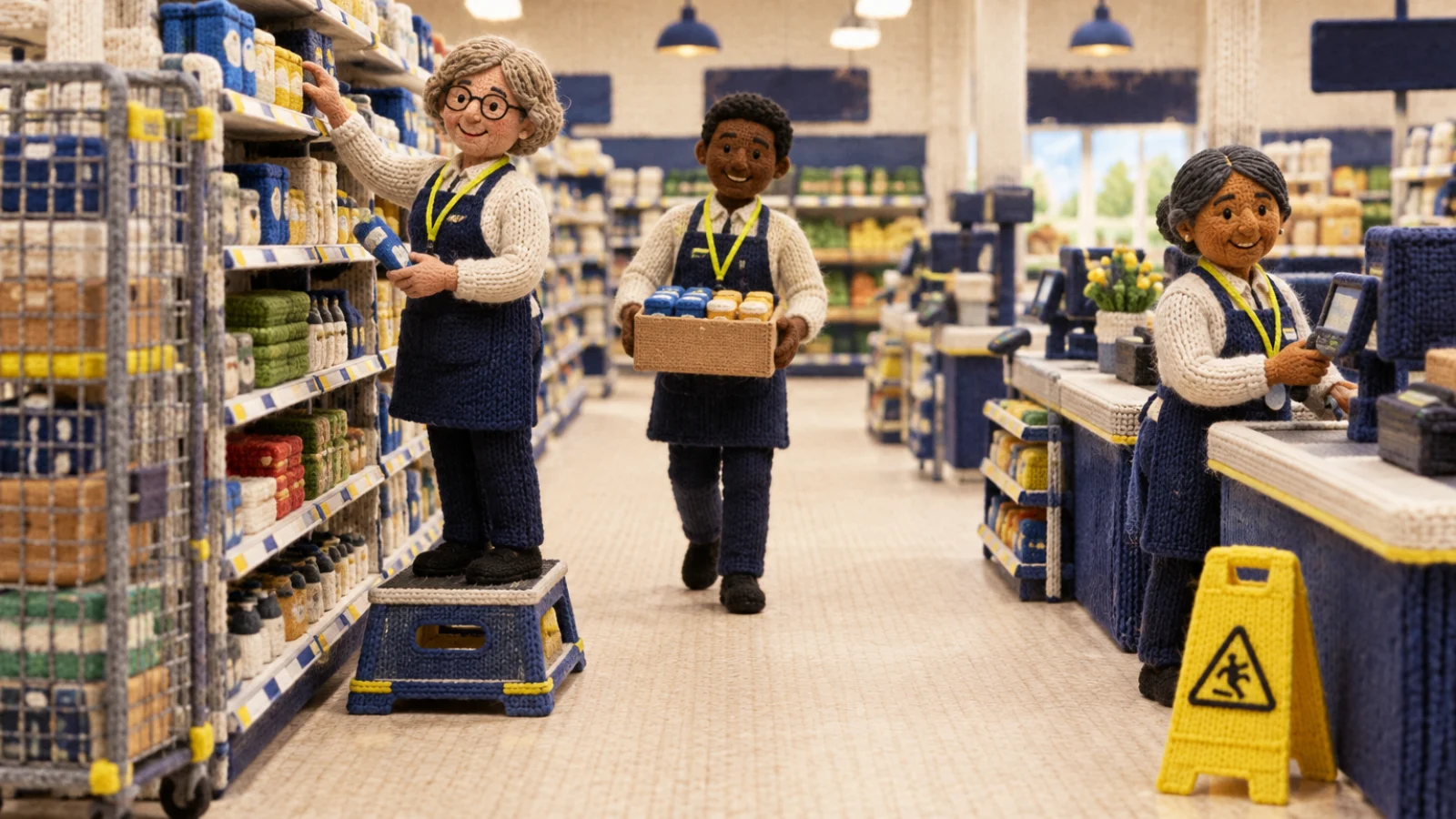
The same knitted-wool supermarket, tidy. One colleague stocks a high shelf from a safe step, a wet floor sign stands by the tills, and the team smile.

A step, a sign and a smile.

Bring a recent event from one of your stores, and we will walk it through Petowo with you.